Joint Efforts: Why Everyone Is Talking About Lifelong Joint Health (San Jose Guide)
Published: October 1, 2026

October is National Chiropractic Health Month, and the 2026 theme is "Joint Efforts." The message is timely for residents throughout San Jose, Santa Clara, Milpitas, Fremont, Cupertino, Los Gatos, and Sunnyvale: lifelong joint health depends on cooperation between the individual, the musculoskeletal system, and the healthcare professionals who support movement.
Our joints are load-bearing structures. They respond to pressure, traction, repetitive motion, inactivity, body weight, athletic demands, and workplace posture. When joints function well, most people do not notice them. When movement becomes restricted, even ordinary activities such as walking, typing, climbing stairs, lifting a child, or turning the head can become difficult.
The American Chiropractic Association describes musculoskeletal conditions, including back pain, as major contributors to disability worldwide. The solution is not to avoid movement or accept every symptom as inevitable aging. The solution is to understand how joints function, identify the forces creating dysfunction, and establish a clinically appropriate plan for preserving mobility.
Joints Are Designed to Respond to Movement and Load
A synovial joint contains articular cartilage, synovial fluid, a joint capsule, ligaments, tendons, and surrounding muscles. Each structure contributes to smooth movement and load distribution.
Articular cartilage covers the ends of many bones. It reduces friction and helps distribute compressive forces. Because cartilage has limited direct blood supply, it relies substantially on the movement of synovial fluid for nutrient exchange and waste-product removal. Gentle, repeated joint motion creates a fluid-based exchange that supports the tissue environment.
This does not mean that every movement is beneficial or that painful joints should be forced through intense activity. It means that appropriate movement is a biological requirement. Prolonged immobility can reduce range of motion, weaken surrounding muscles, and increase stiffness. Excessive or poorly controlled loading can irritate tissues and impair function.
The body requires a balanced mechanical environment: enough movement to maintain mobility and tissue nutrition, enough strength to distribute force, and enough recovery to prevent overload.

The Nervous System Is the Master Controller of Joint Protection
The nervous system coordinates muscular recruitment, balance, posture, reflexive stabilization, and protective responses. It serves as the body's master controller for movement.
Before the foot contacts the ground, the nervous system prepares the hip, knee, ankle, and trunk muscles to accept the load. Before the hand reaches for an object, the shoulder and elbow are organized to stabilize the upper extremity. When the spine rotates, the deep spinal muscles and larger surrounding muscles coordinate to protect the vertebral joints.
When pain, inflammation, weakness, altered mechanics, or restricted joint motion interferes with this communication, muscle recruitment can become inefficient. Some muscles may overwork while others fail to contribute adequately. This creates an external mechanical problem and an internal neurological response.
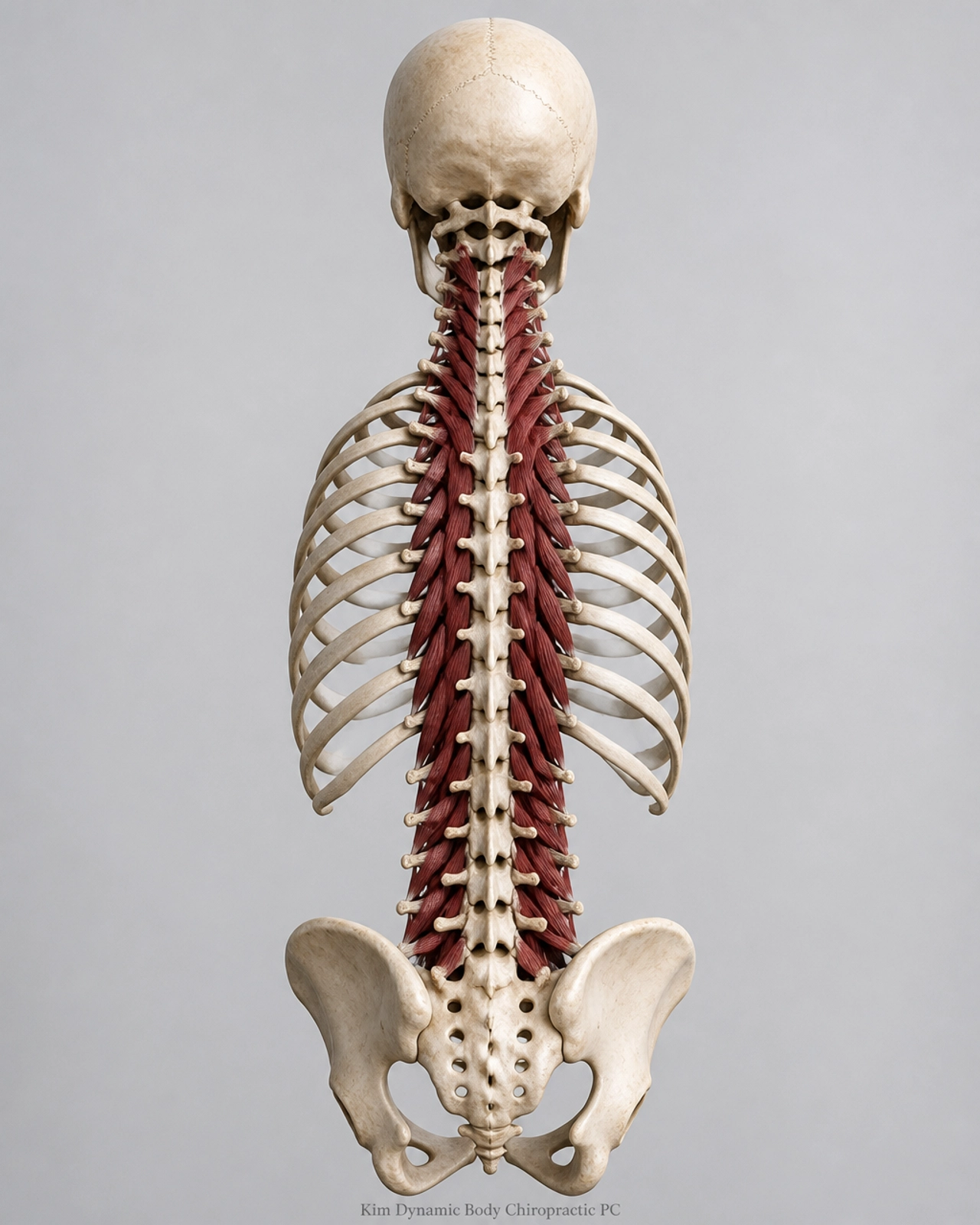
This is why a joint should not be evaluated in isolation. Knee symptoms may be influenced by hip strength, ankle mobility, walking mechanics, or spinal function. Shoulder pain may involve the cervical spine, thoracic posture, rib movement, or scapular control. The nervous system continuously integrates these regions.
"Wear and Tear" Does Not Explain Every Case of Joint Pain
Age-related changes in cartilage, bone, discs, and connective tissue are real. However, the phrase "wear and tear" is incomplete because structural change does not always correspond directly with pain or functional limitation.
Some adults have visible osteoarthritic changes but remain active with minimal symptoms. Others experience substantial joint pain and restricted movement with comparatively modest imaging findings. Pain is influenced by mechanical loading, inflammation, muscle capacity, sleep, stress, previous injury, and the sensitivity of the nervous system.
The more useful clinical question is not simply, "How old is this joint?" It is, "What forces are acting on this joint, how is the nervous system responding, and what is limiting function?"
This distinction matters across the full joint spectrum:
- Shoulder, elbow, wrist, and hand: repetitive computer use, lifting, sports, tendon stress, and altered cervical or upper-back mechanics can affect function.
- Ribs and thoracic spine: restricted motion, sustained posture, and muscular tension can contribute to discomfort during rotation or breathing.
- Hip and knee: weakness, reduced mobility, gait changes, prior injury, and increased load can alter lower-extremity mechanics.
- Ankle and foot: limited dorsiflexion, instability, and footwear or training demands can influence the entire kinetic chain.
- Spine: the cervical, thoracic, and lumbar regions must coordinate mobility and stability while protecting the spinal cord and exiting nerve roots.
Persistent pain, reduced range of motion, numbness, weakness, or loss of function deserves an evaluation rather than an assumption that aging is the only cause.
What Chiropractic Evaluation Contributes
A chiropractic evaluation examines more than the location of symptoms. We assess joint motion, muscle tone, posture, gait, neurological function, movement patterns, and the way external forces are distributed through the body.
When clinically indicated, Digital Radiography on site can assist with evaluating acute injuries or structural concerns. Imaging is not required for every complaint, and it does not replace a physical examination. It is used when the clinical presentation warrants additional information.
Chiropractic adjustments and mobilization may be incorporated to improve joint motion, reduce mechanical restriction, and support more normal movement. The appropriate technique depends on the patient's age, health history, symptoms, examination findings, and treatment goals. Care may involve the spine or extremity joints, including the shoulder, wrist, hip, knee, ankle, and foot.
Evidence-based guidelines generally place therapeutic exercise and education at the center of long-term osteoarthritis and musculoskeletal care. Manual therapy is most effective as an adjunct that helps a patient participate in movement, not as a replacement for strength and mobility training. Our approach reflects that principle.
Massage Therapy, Ergonomics, and Fitness Complete the Plan
Joint health is influenced by the tissues surrounding the joint. Certified massage therapy can address muscular tension and soft-tissue restrictions that contribute to altered movement. Massage does not rebuild cartilage, but it can support comfort, relaxation, and participation in an active rehabilitation plan.
Daily ergonomics education is equally important for desk workers and technology professionals throughout Silicon Valley. The 90-90-90 principle provides a practical starting point:
- Hips positioned near 90 degrees.
- Knees positioned near 90 degrees.
- Elbows positioned near 90 degrees while the forearms remain supported.
The feet should rest comfortably on the floor or a footrest. The monitor should be near eye level, and the keyboard and mouse should allow the wrists to remain neutral. Most importantly, no posture should be held indefinitely. A well-designed workstation cannot compensate for hours of uninterrupted sitting.

Fitness guidance then builds the capacity to tolerate daily and athletic demands. For many adults, a practical target is at least 150 minutes of moderate-intensity aerobic activity per week, combined with strengthening on two or more days per week, as tolerated and medically appropriate. Those with pain may begin with five- to ten-minute periods of walking, cycling, aquatic exercise, or gentle mobility and progress gradually.
Our Exercise & Recovery Library provides general educational examples. Individual exercise selection should be based on the patient's condition, abilities, and examination findings.
When Joint Symptoms Require Prompt Medical Attention
Not every joint complaint is appropriate for routine conservative care. Seek prompt medical evaluation for:
- A visibly deformed joint or inability to bear weight after an injury.
- Sudden, severe swelling, redness, warmth, or fever.
- New or progressive numbness, weakness, loss of coordination, or bowel or bladder changes.
- Severe pain following a fall, collision, or other trauma.
- Unexplained weight loss, persistent night pain, or symptoms that continue to worsen.
- A hot, swollen joint accompanied by systemic illness.
Acute injuries may require imaging, emergency care, orthopedic consultation, or coordination with another medical professional. Appropriate referral is part of responsible clinical care.

Making Joint Health a Lifelong Effort
The "Joint Efforts" theme is not limited to people with osteoarthritis or current pain. Children need healthy movement patterns. Athletes need progressive loading and recovery. Desk workers need ergonomic variation. Older adults need strength, balance, and confidence with movement.
The central principle is consistent: joints remain capable when movement, muscle function, neurological control, and load are addressed together. Chiropractic care in Santa Clara and the surrounding communities can provide evaluation and conservative support for people managing acute injuries, chronic musculoskeletal complaints, sports demands, and age-related mobility changes.
At Kim Dynamic Body Chiropractic, P.C., we combine chiropractic evaluation, appropriate adjustments, massage therapy, ergonomics education, fitness guidance, and referral when necessary. Our goal is to help each patient understand the forces affecting the body and develop a practical plan for maintaining function across the lifespan.
A joint effort begins with one informed decision: do not wait until pain has eliminated the activities that matter most. Evaluate the cause, restore appropriate movement, strengthen the supporting system, and continue participating in the care of your own health.
Clinical References
- American Chiropractic Association: National Chiropractic Health Month 2026,"Joint Efforts"
- American Chiropractic Association: National Chiropractic Health Month
- NICE Guideline NG226: Osteoarthritis in Over 16s
- Review of International Osteoarthritis Clinical Practice Guidelines
- Kim Dynamic Body Chiropractic: Exercise & Recovery Library
- Kim Dynamic Body Chiropractic: San Jose Home Office Ergonomics
Joint health is a lifelong effort. Our team provides chiropractic care, on-site Digital Radiography, massage therapy, fitness guidance, ergonomic education, and rehabilitation support for individuals and families in San Jose, Santa Clara, Milpitas, Fremont, Cupertino, Los Gatos, and Sunnyvale.
Call Now